


Don’t Delay When It Comes To Using Ial3 Identity Verification Software
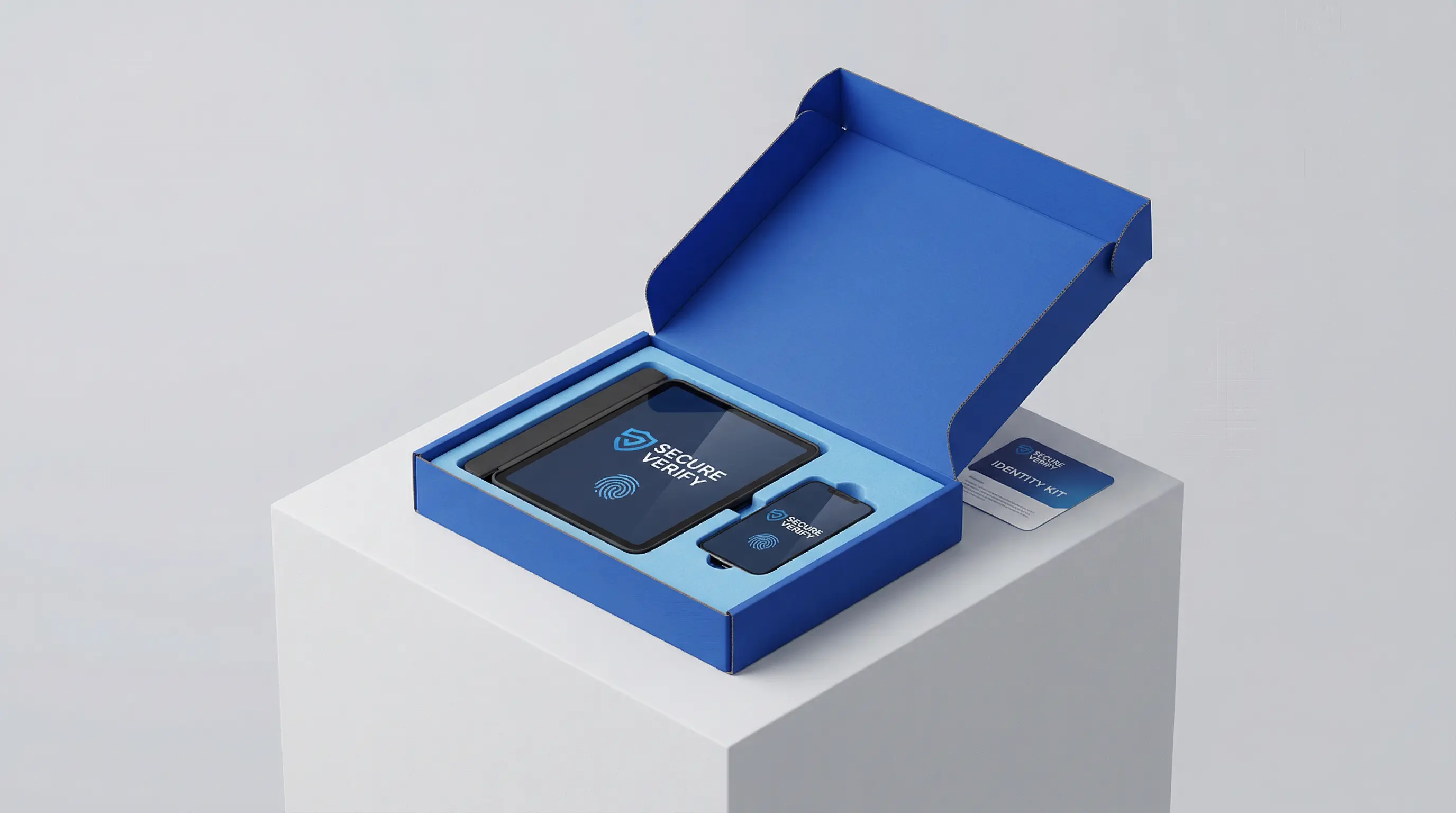
NIST 800-63-4 is raising the bar on digital identity by mandating extensive identity proofing, strong authentication practices against phishing attacks, and secure federated identity practices. Furthermore, its revised guidelines promote an improved user experience with new requirements such as Phish-resistant MFA, FIDO Passkeys and subscriber wallets for improved user experiences.
Fischer Identity's Zero Trust operationalizes compliance by continuously assessing contextual risk and employing adaptive, context-aware verification - this ensures a continuous posture which meets the requirements of modular frameworks like IAL, AAL and FAL.
NIST IAL3 Verification
NIST 800-63-4 IAL3 identity verification is the highest level required by NIST and should only be applied to highly sensitive transactions such as accessing classified information or law enforcement systems. It provides an effective solution to combating fraud and unauthorized access across digital platforms by requiring on-site, in-person, supervised remote identity proofing as well as physical presentation of superior strength identity evidence and biometric comparison - mitigating sophisticated attacks such as falsification, theft or repudiation of evidence presented as proof.
Establishing effective redress mechanisms that are user-friendly and readily understandable for enrollees is also necessary; such as the provision of authenticators that can easily be assessed for security or authenticity. CSPs or IdPs must bind their own authenticators to subscribers' accounts; this prevents phishing attacks and other attack vectors. Trustswiftly's IAL3 solution uses cryptographic nist ial3 verification technology to validate the secure chips embedded in modern e-Passports and mobile driver's licenses.
NIST IAL3 Compliance
NIST 800-63-3 standards establish Identity Assurance Levels (IALs), to describe the degree to which a claimed identity corresponds with real-world identities. To meet IAL3, which requires proofing comparable to passport applications, is essential in protecting individuals against impersonation and fraud.
The new nist 800-63-4 ial3 compliance standard calls for more stringent authentication processes and verifiers, including using phishing-resistant authentication methods like FIDO Passkeys. Furthermore, it introduces a structured DIRM process which goes beyond enterprise risk analysis to consider impacts on mission impact, individual users (equity), and privacy concerns as part of its evaluation criteria.
NIST IAL3 compliance standard is critical to combating remote IT worker fraud and protecting national security systems. Trust Swiftly's FedRAMP-align IAL3 Supervised Remote Identity Proofing platform delivers cryptographic certainty needed to sever proxy networks, expose synthetic deepfakes, and restore operational integrity of ITAR-controlled systems.
NIST IAL3 Fedramp
Trustswiftly is our comprehensive ial3 identity verification software solution designed for workforce identity proofing throughout its lifecycle. Supporting both IAL2 and IAL3 compliance via chat, video, facial recognition with liveness detection, document authentication and risk-based step-up re-proofing; it provides continuous identity assurance beyond point-in-time checks that aligns with NIST spirit.
CSPs aiming for the FedRAMP High baseline are finding that revision 5 templates bring increased scrutiny to identity and access management. Control IA-12 mandates that CSPs demonstrate identity based on an appropriate level of assurance (IAL2) - something many compliance officers misconstrue as meaning IAL2.
But to effectively combat state-sponsored threats requires an immediate, structural shift away from outdated paradigms toward hardware-anchored, remote verification supervised by professional security teams. Only then will cryptographic certainty be possible to break proxy networks, expose synthetic deepfakes and restore operational integrity - so regulatory bodies are rapidly moving toward IAL3 standards with controlled, tamper-evident hardware to limit liability risks on behalf of CSPs and federal agencies.
NIST IAL3 High Identity Proofing
fedramp high identity proofing under NIST IAL3 standards involves both remote and in-person authentication sessions and additional processes that prevent more sophisticated attacks such as falsifying evidence, theft or repudiation. Furthermore, it offers subscribers easy to use redress mechanisms should there be any issues during authentication failure.
Trustswiftly, our comprehensive and scalable identity verification software, supports both IAL2 and IAL3 compliance for the workforce. This includes chat, video, facial recognition with liveness detection, document authentication and step-up reproofing based on risk - providing continuous identity assurance beyond a one-off check.
NIST guidelines have recently adopted a more modernized approach that emphasizes selecting their own identity assurance level (IAL), authentication assurance level (AAL), and Federated Authentication Level (FAL), according to their business, security, privacy, and mission requirements. NIST SP 800-63-4 also updates these levels to require phishing-resistant methods and cryptographic binding in federated transactions; while officially supporting remote identity proofing at level 3.

 Arabic
 French
 Spanish
 Portuguese
 Deutsch
 Turkish
 Dutch
Dutch
 Italiano
 Russian
 Romaian
 Portuguese (Brazil)
 Greek
Greek
