


Electrolyte Test Price: Understanding the Cost and Value of Electrolyte Testing
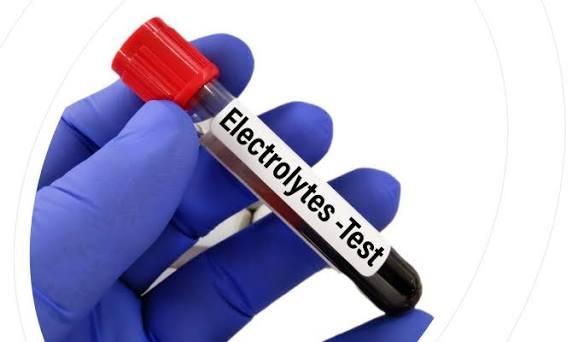
Electrolyte Test Price
The electrolyte test price is an important consideration for people who have been advised to check their body's electrolyte balance. Electrolytes are essential minerals that support several important functions, including maintaining fluid balance, supporting muscles and nerves, and helping the body maintain normal physiological processes. Because abnormal electrolyte levels can sometimes be associated with dehydration, certain illnesses, medication use, or other health concerns, doctors may recommend an electrolyte test as part of a routine checkup or diagnostic evaluation.
Understanding what affects the cost of an electrolyte test can help patients make informed decisions about where to get their laboratory investigations. The price may vary from one diagnostic laboratory to another depending on the type of test, number of electrolytes measured, testing technology, laboratory standards, and additional services offered.
What Is an Electrolyte Test?
An electrolyte test is a laboratory investigation used to measure important minerals present in the blood. Common electrolytes include sodium, potassium, chloride, and bicarbonate. These substances play important roles in maintaining fluid balance, nerve communication, muscle function, and the body's acid-base balance.
Doctors may request electrolyte testing when a patient has symptoms or a medical condition that could affect electrolyte levels. The test may also be recommended when monitoring certain treatments or evaluating the body's overall chemical balance. Although electrolyte testing is commonly performed using a blood sample, the exact testing method depends on the laboratory and the specific investigation requested.
Why Doctors Recommend Electrolyte Testing
Electrolyte testing can provide useful information about the body's internal balance. When electrolyte levels become too high or too low, they may be associated with dehydration, kidney-related problems, certain hormonal conditions, prolonged vomiting or diarrhea, or the use of particular medicines. However, laboratory results should always be interpreted by a qualified healthcare professional.
A doctor may recommend an electrolyte test as part of an investigation when a patient experiences symptoms such as unusual weakness, fatigue, muscle-related problems, confusion, or changes in hydration status. In other cases, testing may be performed to monitor an existing condition or evaluate how the body is responding to treatment.
What Does the Electrolyte Test Usually Measure?
A standard electrolyte panel commonly focuses on several major electrolytes. Sodium is important for fluid regulation and normal nerve and muscle function. Potassium is essential for muscle activity and normal heart function. Chloride contributes to fluid balance and helps maintain the body's acid-base status. Bicarbonate is also associated with maintaining appropriate acid-base balance.
The exact components of an electrolyte panel can differ depending on the laboratory and the doctor's request. Some patients may require a basic electrolyte assessment, while others may need additional blood tests at the same time. This difference can influence the overall electrolyte test price.
Factors That Influence Electrolyte Test Price
There is no single price that applies to every laboratory because diagnostic facilities operate with different equipment, services, and testing procedures. The cost can depend on whether the patient is receiving a basic electrolyte panel or a broader package that includes additional investigations.
The laboratory's equipment and testing technology can also influence the cost. Facilities using automated analyzers and advanced quality-control systems may have different operating expenses compared with smaller testing centers. Professional supervision, sample processing, reporting systems, and laboratory quality procedures can also contribute to the final cost.
Location may be another factor. Diagnostic laboratories operating in different areas of Lahore may have different service structures and operating costs. Patients should therefore confirm the current charges directly with their selected laboratory before visiting.
Electrolyte Testing and Other Blood Investigations
Doctors sometimes request electrolyte testing together with other laboratory investigations. For example, a patient may be advised to undergo kidney function testing, blood glucose testing, or other assessments depending on their symptoms and medical history.
When several tests are performed together, the total laboratory expense will naturally be different from the cost of an electrolyte test alone. Some laboratories may offer diagnostic packages that combine multiple investigations, while others charge separately for each test. Patients should confirm exactly what is included before selecting a package or test panel.
Is Fasting Required Before an Electrolyte Test?
Whether fasting is necessary depends on the specific group of tests ordered by the doctor. An electrolyte test by itself may not always require fasting, but patients may be asked to follow preparation instructions when the electrolyte test is being performed alongside other investigations.
It is best to follow the instructions provided by the healthcare professional or laboratory. Patients should not change their normal diet, water intake, or medications simply because they are preparing for a laboratory test unless they have been specifically instructed to do so by their doctor or testing facility.
How the Test Is Performed
An electrolyte blood test generally involves collecting a blood sample from a vein. A trained healthcare professional cleans the collection area and uses appropriate equipment to obtain the sample. The blood is then labeled and sent for laboratory analysis.
The process is usually straightforward and takes only a short amount of time. Proper identification, sample handling, storage, and processing are important because laboratory procedures can influence the reliability of results. Choosing a laboratory with trained staff and established sample-handling procedures can therefore be more important than focusing only on the lowest available electrolyte test price.
Choosing a Reliable Laboratory
Price is certainly a consideration when arranging a medical test, but it should not be the only factor. Diagnostic accuracy is extremely important because doctors may use laboratory results when making healthcare decisions. A laboratory should ideally have trained professionals, appropriate equipment, hygienic facilities, proper sample collection procedures, and reliable reporting systems.
Patients can also consider whether the laboratory provides convenient services such as digital reports, home sample collection, accessible collection centers, and responsive customer support. These services can make the testing process easier, particularly for elderly patients or people who have difficulty traveling.
Importance of Accurate Electrolyte Results
Electrolyte results can provide valuable information about the body's chemical balance, which is why accuracy matters. An incorrectly collected, handled, or processed sample may affect the reliability of a laboratory result. Professional laboratories follow procedures designed to reduce avoidable errors and maintain consistency.
Quality control is another important part of laboratory testing. Laboratories use quality-management practices and equipment checks to help ensure that testing systems are operating properly. Patients may not see these processes directly, but they are an important part of producing dependable reports.
Understanding Your Electrolyte Report
Once testing is complete, the laboratory report generally provides measured values along with reference ranges. Patients may find these numbers difficult to interpret without medical knowledge. A value outside the laboratory's reference range does not automatically establish a diagnosis because results must be considered alongside symptoms, medical history, medications, and other investigations.
For this reason, patients should discuss their results with their doctor rather than attempting to diagnose themselves from a laboratory report. A healthcare professional can determine whether an abnormal result requires additional testing, monitoring, treatment, or simply observation.
When Electrolyte Testing May Be Recommended
Electrolyte testing can be requested in different healthcare situations. A doctor may recommend it when evaluating dehydration, certain kidney concerns, prolonged fluid loss, or other conditions that may influence electrolyte balance. It can also be used during monitoring when a patient's health condition or treatment could affect electrolyte levels.
The need for testing is individual. Some people may only require testing when symptoms occur, while others may need periodic monitoring based on their doctor's recommendations. Patients should follow the testing schedule advised by their healthcare provider.
Home Sample Collection Can Make Testing Easier
For patients who have difficulty traveling, home sample collection can be a convenient option where available. A trained sample collector visits the patient's home, obtains the required specimen, and sends it to the laboratory for analysis.
This service can be particularly useful for elderly individuals, people with limited mobility, or families who need multiple laboratory investigations. When considering a home collection service, patients should confirm whether the service is available in their area and whether additional charges apply.
Why Comparing Laboratory Services Matters
When researching electrolyte test price, patients may find different charges across diagnostic facilities. Instead of selecting a laboratory based solely on cost, it is useful to compare the overall service. The reputation of the laboratory, professional expertise, testing equipment, report delivery, sample collection process, and convenience can all contribute to the value of the service.
A slightly different price may reflect differences in equipment, service quality, or additional facilities. Therefore, patients should understand what is included in the quoted charge before making a decision.
Getting the Right Test at the Right Time
Medical testing is most useful when it is performed for an appropriate clinical reason. If a doctor has recommended an electrolyte test, patients should follow the instructions provided and ask questions if anything is unclear. Self-ordering unnecessary tests without professional guidance may lead to confusion, particularly when results are difficult to interpret without medical context.
A doctor can determine which investigations are appropriate based on symptoms, medical history, physical examination, and other relevant information. This approach helps ensure that laboratory testing provides useful information rather than unnecessary results.
Final Thoughts on Electrolyte Test Price
The electrolyte test price can vary depending on the laboratory, test components, technology, location, and additional services involved. While cost is an important consideration, the quality and reliability of diagnostic testing should remain a priority. Electrolytes such as sodium, potassium, chloride, and bicarbonate perform essential functions in the body, making accurate testing valuable when recommended by a healthcare professional.
Before booking an electrolyte test, patients should confirm the current price, understand which electrolytes are included, ask about preparation requirements, and check how and when the report will be provided. Most importantly, laboratory results should be interpreted with professional medical guidance. Choosing a reliable diagnostic laboratory can help ensure that the testing process is convenient, professional, and useful for making informed healthcare decisions.

 Arabic
 French
 Spanish
 Portuguese
 Deutsch
 Turkish
 Dutch
Dutch
 Italiano
 Russian
 Romaian
 Portuguese (Brazil)
 Greek
Greek
