


Step Into the Dark World of D2R with U4GM
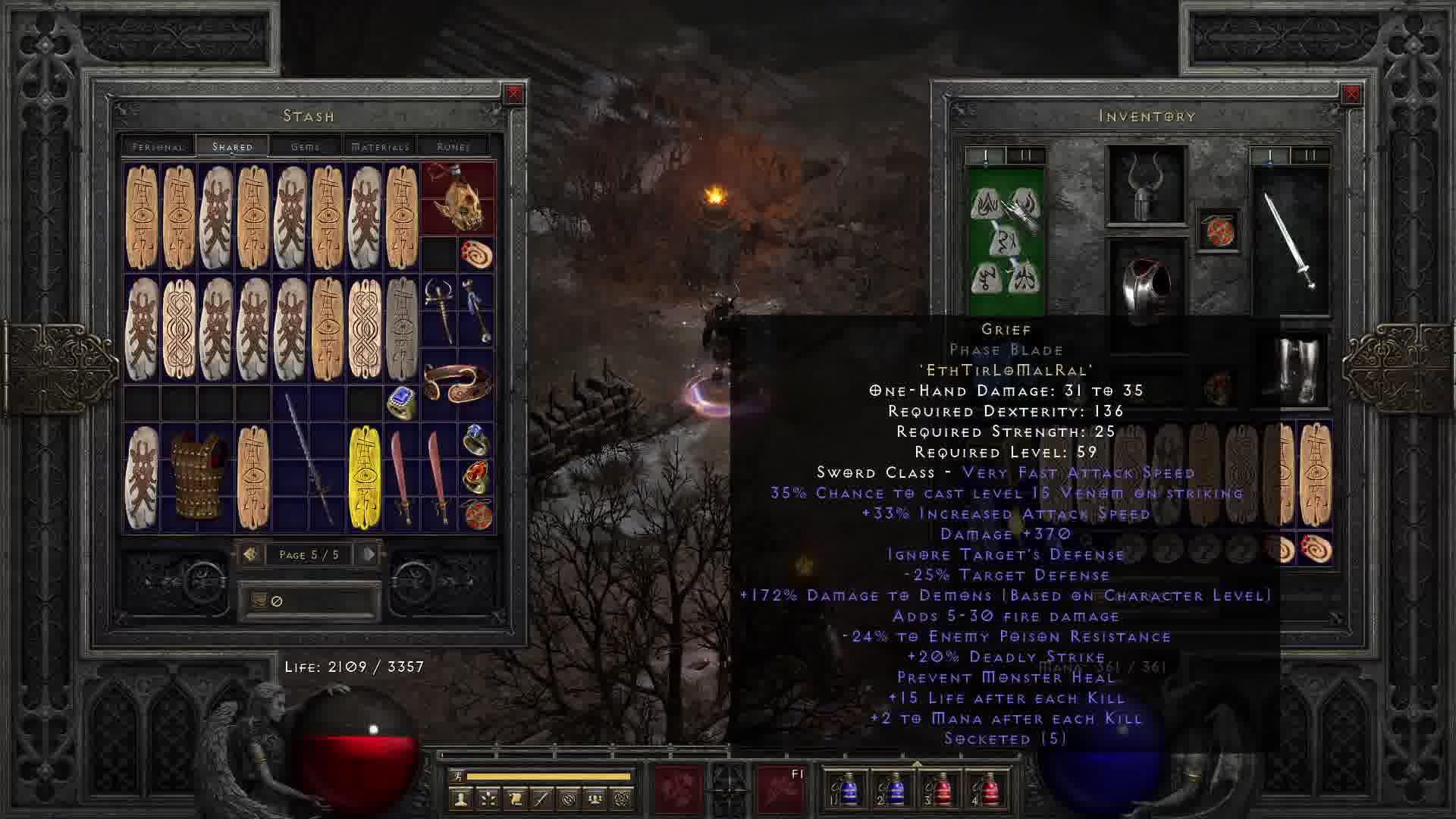
Diablo II: Resurrected may look like a classic gothic action RPG built around demons, dungeons, and spectacular loot, but beneath its dark atmosphere is a surprisingly sophisticated mathematical system. For dedicated players, the game is less about simply defeating monsters and more about solving an enormous optimization puzzle. Every point of Strength, every percentage of Faster Cast Rate, every skill point, and every item equipped can influence the final performance of a character.
That is what makes D2R so compelling for theorycrafters. A character can appear powerful while still being mathematically inefficient. Conversely, a seemingly minor adjustment to equipment can push a build across an important breakpoint and dramatically improve its performance. Players who enjoy this kind of precision can spend countless hours testing different combinations, calculating damage, and comparing alternative setups.
One of the most important concepts is the game's frame-based combat system. D2R operates at 25 frames per second, meaning many character actions are governed by discrete animation intervals rather than continuous increases in speed. Faster Cast Rate, Faster Hit Recovery, and Increased Attack Speed therefore work through breakpoints. Adding another percentage point does not necessarily make an action visibly faster. Instead, players need to reach a specific threshold before the animation becomes one frame quicker.
The Sorceress provides a classic example. Reaching the 105% Faster Cast Rate breakpoint is a major objective for many casting builds. A player might carefully combine rings, amulets, armor, weapons, gloves, and other equipment to reach the necessary total. If the final setup falls below the threshold, some of the intended performance improvement simply does not exist. This makes equipment planning an exercise in arithmetic rather than guesswork.
The same philosophy applies to character attributes. Each level provides five points that can be distributed between Strength, Dexterity, Vitality, and Energy. Effective endgame builds generally avoid wasting these points. Strength is normally raised only enough to equip necessary gear. Dexterity may be required for weapon requirements or increased blocking. Vitality receives the majority of remaining points because a larger life pool provides valuable protection against the enormous damage found in Hell difficulty.
Energy is frequently neglected by many established builds because equipment and other mechanics can provide sufficient mana. This creates an interesting contrast with traditional RPG design. More attributes do not automatically mean a stronger character. Instead, optimization means identifying which attributes actually contribute to the build's intended purpose.
Skill synergies introduce another layer of mathematical planning. Skills in D2R are interconnected, and investments into supporting abilities can increase the damage or effectiveness of primary skills. A Hammerdin, for example, benefits from maximizing abilities that synergize with Blessed Hammer. Consequently, skill allocation becomes a long-term investment strategy. A point spent today can increase the effectiveness of an important skill many levels later.
Gear selection is equally demanding. Some players may search for D2R Items with specific combinations of attributes, while experienced optimizers evaluate each slot according to the entire character's mathematical requirements. In some situations, players may choose to buy D2R Items to experiment with several equipment configurations rather than spending enormous amounts of time searching for every possible combination themselves.
Survival also becomes increasingly mathematical in Hell difficulty. The resistance penalty makes elemental defenses a fundamental consideration. Fire, Cold, Lightning, and Poison resistance can determine whether a character comfortably survives a dangerous area or suddenly collapses under enemy attacks. Charms, sockets, runes, and equipment bonuses therefore compete for valuable inventory and gear space.
The introduction of Sunder Charms adds another strategic dimension. Breaking certain enemy immunities can dramatically expand a build's farming possibilities, but doing so may also introduce additional resistance considerations. The best setup is rarely the one with the highest theoretical damage. It is the one that balances damage, survivability, mobility, resource management, and farming efficiency.
Fortunately, Diablo II Resurrected Items gives players opportunities to experiment through its respec system. The Den of Evil quest provides a free reset, while additional resets can be obtained through Tokens of Absolution. This means players can change their attributes and skills rather than permanently abandoning an imperfect build.
Ultimately, D2R's greatest strength is the depth hidden beneath its straightforward gameplay. Killing demons may be the visible objective, but optimizing the character behind every attack is the real long-term challenge. For players who love mathematics, experimentation, and meticulous planning, Sanctuary is not simply a battlefield. It is a gigantic laboratory.

 English
 French
 Spanish
 Portuguese
 Deutsch
 Turkish
 Dutch
Dutch
 Italiano
 Russian
 Romaian
 Portuguese (Brazil)
 Greek
Greek
