


Best Spy Apps and Modern Approaches to Digital Protection
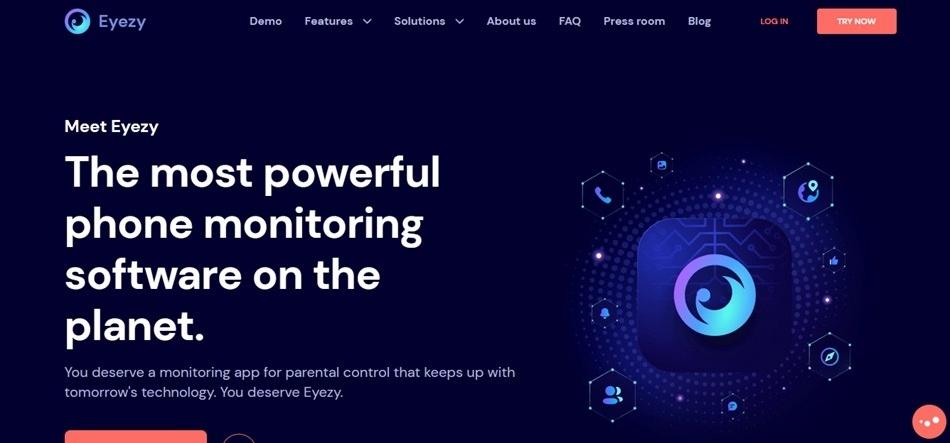
Digital technology has become an important part of everyday life, connecting families, employees, businesses, and individuals through smartphones, tablets, and other connected devices. As people become increasingly concerned about digital safety, device security, and responsible technology use, interest in best spy apps has also grown. However, choosing a monitoring application should never be based solely on how much information it can collect. Privacy, consent, transparency, security, and legitimate use should remain central considerations when evaluating any monitoring technology.
Understanding Modern Monitoring Technology
Monitoring applications are software tools designed to provide visibility into activity on a device. Depending on the product and its intended purpose, monitoring technology can support parental supervision, personal device management, employee security policies, or protection against unauthorized activity. The responsible use of these tools requires users to understand exactly what information is collected and why it is being collected.
Modern monitoring solutions can vary significantly in their features and technical approaches. Some are designed specifically for families, while others focus on enterprise device management or personal cybersecurity. A professional approach means selecting technology that matches a legitimate need instead of attempting to gain secret access to another person's private communications or accounts.
Privacy Should Remain a Primary Consideration
Privacy is one of the most important issues surrounding monitoring software. Smartphones contain highly personal information, including messages, photographs, contacts, location information, documents, and application activity. Any software capable of accessing sensitive information should therefore be evaluated carefully.
Users should look for transparent applications that clearly explain their data practices. Privacy policies, permissions, security controls, and data retention practices can help users understand how information is handled. A trustworthy monitoring solution should not encourage unauthorized access, hidden surveillance, or the collection of information unrelated to its stated purpose.
The Importance of Consent and Responsible Use
Consent is an essential part of ethical digital monitoring. Monitoring another person's device without their knowledge can create serious privacy and trust concerns and may violate applicable laws or regulations. Responsible technology use means ensuring that monitoring is authorized and appropriate for the relationship and situation involved.
For parents, monitoring may be appropriate when managing a child's digital safety within applicable family and legal frameworks. Organizations may also use approved device-management systems under clearly communicated workplace policies. In either situation, transparency helps establish expectations and reduces misunderstandings about how technology is being used.
Features That Support Digital Safety
A useful monitoring solution should provide meaningful safety features rather than simply collecting large amounts of personal information. Depending on the legitimate use case, helpful capabilities may include screen-time management, application controls, security alerts, location sharing with consent, web-filtering features, and device protection.
The quality of the security architecture is equally important. A monitoring platform that handles sensitive information should use appropriate security measures to protect stored and transmitted data. Users should also consider whether the provider regularly updates its software and addresses security vulnerabilities.
Smartvisionlabs and Responsible Technology
Smartvisionlabs can be positioned within the broader conversation surrounding digital awareness and responsible technology. As monitoring technologies continue to evolve, the most valuable solutions are those that help people manage devices responsibly while respecting individual privacy.
A professional technology approach should focus on solving genuine safety and management challenges. Instead of encouraging secret surveillance, responsible digital tools can help families establish healthy technology boundaries, help organizations manage approved devices, and help individuals understand the security status of their own digital environments.
Evaluating Reliability and Transparency
Before adopting any monitoring software, users should examine the reputation and transparency of the provider. Clear documentation, understandable privacy policies, regular software updates, and responsive customer support can indicate that a provider takes security seriously.
Users should also understand the permissions requested by an application. Excessive permissions can create unnecessary privacy risks, particularly when an application requests access to sensitive information that is not required for its stated purpose. Reviewing permissions periodically is a useful part of maintaining good digital hygiene.
Protecting Personal Devices From Unauthorized Monitoring
Digital safety is not only about selecting monitoring software. People should also protect their own devices from unauthorized monitoring applications. Strong passwords, multi-factor authentication, operating-system updates, application reviews, and secure account practices can reduce the risk of unwanted access.
Users should pay attention to unusual device behavior as well. Unexpected battery consumption, unfamiliar applications, unexplained settings changes, or unusual account activity can sometimes justify a security review. Keeping software updated and downloading applications only from trustworthy sources can further reduce potential risks.
Building a Privacy-Conscious Digital Environment
Technology works best when it supports safety without unnecessarily compromising personal privacy. Families and organizations can create clear policies explaining when monitoring is appropriate, what information may be collected, who can access it, and how long information should be retained.
Open communication is especially important in family environments. Discussing online safety, responsible application use, privacy, and appropriate screen time can often be more effective than relying entirely on technical monitoring. Technology should complement responsible communication rather than replace it.
The Future of Digital Monitoring
As smartphones and connected devices continue to develop, monitoring technologies will likely become more sophisticated. Artificial intelligence, automated security alerts, behavioral analysis, and advanced device-management capabilities may create new opportunities for protecting users and organizations.
At the same time, greater technological capability creates a stronger responsibility to protect privacy. Developers and users must consider not only what technology can do but also whether those capabilities should be used in a particular situation. Ethical design and informed consent will remain important as digital monitoring becomes increasingly advanced.
Making a Responsible Technology Choice
Choosing monitoring software should involve more than searching for the most powerful features. Users should first identify the legitimate problem they want to solve and then evaluate whether a transparent, consent-based solution can address it. Security, privacy, reliability, usability, and data handling should all be considered before adopting any monitoring technology.
The goal should be to create a safer digital environment while respecting the rights and expectations of the people whose information may be involved. Responsible monitoring can support family safety, device management, and cybersecurity when it is used transparently and within appropriate legal and ethical boundaries.
Conclusion
The growing interest in best spy apps reflects broader concerns about digital safety, device management, and online privacy. However, the most responsible approach is to prioritize transparent monitoring solutions that operate with authorization and respect for personal boundaries. Smartvisionlabs can contribute to this wider technology discussion by emphasizing informed decisions, secure practices, privacy awareness, and ethical use. Ultimately, effective digital monitoring should provide useful protection without turning personal technology into a tool for unauthorized surveillance.

 English
 Arabic
 French
 Spanish
 Portuguese
 Deutsch
 Dutch
Dutch
 Italiano
 Russian
 Romaian
 Portuguese (Brazil)
 Greek
Greek
