


The Hidden Complexity of Appliance Flexibility: Why Cable Testing Matters
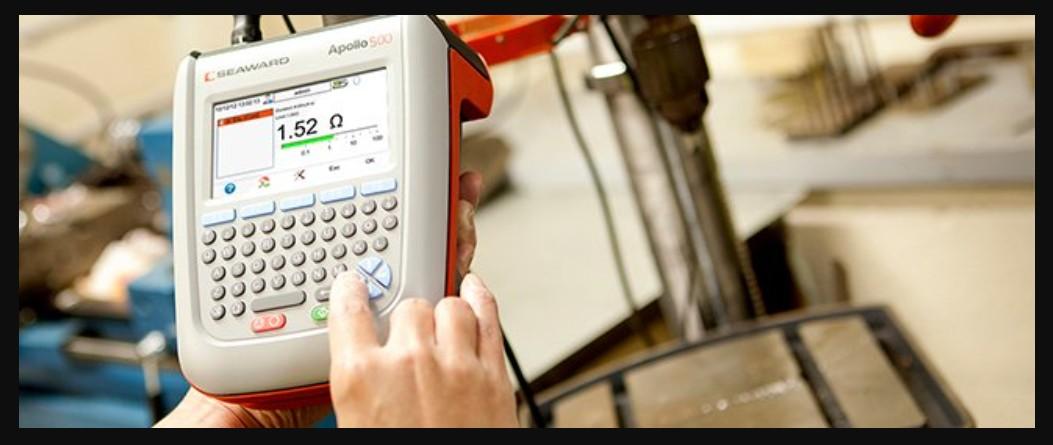
In the world of Portable Appliance Testing (PAT), there is a dangerous tendency to treat every piece of equipment as though it were functionally identical. A "pass" on a standardized machine is often mistaken for a universal seal of safety, yet this mindset overlooks the subtle but vital differences in how appliances interact with their environment. Nowhere is this more apparent than in the comparison between standard office equipment, such as a desktop lamp, and high-performance heating appliances that utilize silicone cabling. To the untrained eye, a power cord is simply a conduit for electricity. However, the physical and chemical properties of a cord connected to a high-wattage silicone-sheathed heater are fundamentally different from those of a standard PVC-insulated lamp cord. When we fail to recognize these differences, we fail to perform a truly risk-based inspection, leaving potential hazards—specifically related to thermal and mechanical fatigue—entirely unaddressed during routine maintenance cycles.
Material Science: The Divergence Between PVC and Silicone
To understand why these cables require different approaches to inspection and stress testing, we must first look at the materials themselves. A standard desk lamp is almost exclusively wired with PVC (polyvinyl chloride), a plasticized material designed for stability, cost-effectiveness, and durability in room-temperature environments. PVC is relatively rigid and performs adequately when the appliance is rarely moved. Conversely, heaters that incorporate silicone-insulated cords are specifically engineered to handle extreme environments. Silicone is a synthetic elastomer that retains its flexibility at high temperatures and resists degradation from intense heat cycles that would cause PVC to become brittle or melt. Because silicone is inherently softer and has a different molecular structure, it reacts to mechanical flexing in a completely unique way. During a flex test or even a manual inspection, a technician must recognize that a silicone cord may appear "loose" or "supple" compared to a PVC cord, not because it is damaged, but because of its material composition. Treating a silicone cord with the same rigid expectations as PVC can lead to false positives regarding cable fatigue.
Thermal Fatigue and the Mechanics of Molecular Stress
The primary reason a heater cord requires a different flexing assessment than a desk lamp is the concept of thermal history. A desk lamp cord rarely encounters significant heat, meaning the integrity of the insulation remains relatively constant throughout its operational life. A silicone heater cord, however, is subject to aggressive thermal cycling. Every time the heater engages, the cord experiences expansion and contraction. Over months and years, this constant heating and cooling cycle can alter the polymer matrix of the outer sheath, particularly if the cord has been snagged, kinked, or repeatedly bent near the entry gland. Silicone remains flexible even after exposure to heat, but this flexibility can mask internal strand fatigue. While a PVC cord on a lamp will often show visible cracking or stiffness when it reaches the end of its life, a silicone cord might remain outwardly perfect while suffering from significant internal conductor embrittlement. This is why a standard mechanical flex test is insufficient for silicone; it requires a more nuanced approach that includes checking for "soft spots" or kinks that suggest the internal copper strands have compromised structural integrity.
Elevating Professional Competency Through Education
Recognizing these subtle engineering differences requires a level of theoretical knowledge that transcends simply learning how to plug in a testing machine. Many accidents in the workplace occur not because testers are malicious, but because they lack the deep, practical understanding of electrical engineering principles that govern equipment safety. If you are looking to move beyond the basics of testing and wish to understand the "why" behind the "what," formalizing your education is the single most important step you can take. Engaging with a professional pat testing course provides the essential framework for understanding material science, regulatory compliance, and the sophisticated diagnostic techniques required to handle diverse appliances. By investing in such a qualification, you gain the confidence to interpret your findings accurately, ensuring that your assessments are based on expert judgment rather than guesswork, which ultimately protects both the user of the equipment and your reputation as a certified safety professional.
Practical Protocols for Inspecting High-Stress Cables
When inspecting silicone-sheathed cords, the visual and physical protocol must be adapted to the specific nature of the material. Instead of the simple "bend and inspect" method used for static office equipment, technicians should employ a more methodical "rolling" inspection. This involves slowly working the cable through your fingers to detect any subtle deformities or changes in the cable’s diameter, which often indicate that the internal conductors have migrated or that the silicone sheath has thinned due to prolonged heat soak. Furthermore, pay special attention to the strain relief at the entry point of the appliance. Because silicone is so flexible, the strain relief often bears the brunt of the appliance’s movement. If you notice the silicone has become overly tacky or has a "tacky-to-touch" texture, it may be an indicator that the material is beginning to degrade chemically, potentially compromising its insulating properties. Documenting these specific observations is vital, as it allows for a preventative replacement before the cable fails under load.
The Responsibility of the Safety Professional
Ultimately, the goal of portable appliance testing is to ensure a safe working environment, which requires a proactive, rather than reactive, mindset. By distinguishing between the needs of a low-load, low-heat appliance and a high-energy heating device, you demonstrate a level of professional diligence that is the hallmark of a high-quality safety culture. We must move away from the "tick-box" mentality and towards a system of critical evaluation where we consider the appliance's usage history, the environment it inhabits, and the specific engineering materials involved in its construction. This level of scrutiny takes time and expertise, but it is the only way to effectively mitigate the risks associated with modern electrical appliances. As you continue to refine your skills and expand your knowledge of electrical safety, you become an indispensable part of your organization's risk management strategy, proving that you have the expertise to protect the workplace with the highest degree of technical and ethical standards.

 Arabic
 French
 Spanish
 Portuguese
 Deutsch
 Turkish
 Dutch
Dutch
 Italiano
 Russian
 Romaian
 Portuguese (Brazil)
 Greek
Greek
