


The Complete Guide to Hair Loss Treatment Options in Riyadh
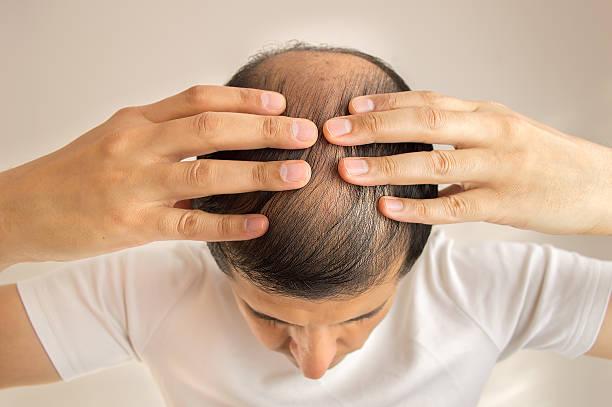
Hair loss is a common concern that affects both men and women at different stages of life. Whether it appears gradually or suddenly, thinning hair can influence confidence and overall appearance. Fortunately, modern advancements have made it possible to manage hair loss through a variety of personalized solutions. Choosing the right Hair Loss Treatment in Riyadh begins with understanding the underlying cause of hair thinning and exploring treatments that suit individual needs.
Many people searching for effective solutions also consider Hair Regrowth Treatment in Riyadh to restore healthier, fuller-looking hair. These advanced treatments are designed to support natural hair growth, improve scalp health, and address different types of hair loss. With the availability of innovative techniques, individuals now have more options than ever to achieve long-lasting and natural-looking results.
Understanding Hair Loss
Hair loss can develop for several reasons, and identifying the root cause is an important first step toward successful treatment. Some individuals experience hereditary hair thinning, while others notice hair shedding due to hormonal changes, stress, nutritional deficiencies, medical conditions, or environmental factors. Hair loss may appear as gradual thinning, receding hairlines, patchy bald spots, or excessive daily shedding. Since every person's condition is unique, proper evaluation helps determine the most suitable treatment approach.
Common Hair Loss Treatment Options
Medications for Hair Loss
Certain medications are commonly recommended to slow hair loss and encourage healthier hair growth. These treatments may improve the hair growth cycle, strengthen existing strands, and reduce excessive shedding. Consistent use, combined with professional guidance, often provides the best results for suitable candidates.
Platelet-Rich Plasma (PRP) Therapy
PRP therapy has become a popular non-surgical option for individuals experiencing early to moderate hair loss. This treatment uses the body's own platelet-rich plasma, which contains growth factors that help stimulate inactive hair follicles. PRP sessions are often chosen by people looking for a minimally invasive method to enhance hair density and promote healthier hair growth over time.
Mesotherapy for Hair Restoration
Mesotherapy involves delivering a customized blend of vitamins, minerals, amino acids, and nutrients directly into the scalp. These ingredients nourish hair follicles, improve blood circulation, and support stronger hair growth. This treatment is often combined with other hair restoration methods to maximize overall results.
Low-Level Laser Therapy
Low-Level Laser Therapy is another non-invasive option that uses controlled light energy to stimulate hair follicles. The treatment may help improve scalp circulation, reduce inflammation, and encourage natural hair growth. It is suitable for many individuals experiencing mild to moderate hair thinning and can complement other treatment plans.
Hair Transplant Procedures
For individuals with significant hair loss, hair transplantation offers a long-term solution. During the procedure, healthy hair follicles are relocated from donor areas to thinning or bald regions. Modern transplant techniques focus on creating natural-looking hairlines while preserving existing hair. This option is often considered when non-surgical treatments are no longer sufficient.
Factors That Influence Treatment Success
Early Diagnosis Makes a Difference
Addressing hair loss in its early stages often leads to more successful outcomes. Timely intervention helps preserve existing hair follicles and allows treatments to work more effectively before significant hair loss occurs.
Consistency Is Essential
Hair restoration is a gradual process that requires patience and commitment. Following the recommended treatment schedule and maintaining regular follow-up appointments contribute to better long-term improvements.
Healthy Lifestyle Habits
A balanced diet, proper hydration, stress management, and a healthy scalp care routine all support stronger hair growth. Lifestyle improvements can enhance the effectiveness of professional treatments while promoting healthier hair overall.
Choosing the Right Treatment Plan
There is no universal solution for hair loss because every individual's condition differs. Factors such as age, pattern of hair loss, scalp condition, medical history, and personal goals all influence the ideal treatment strategy. A personalized treatment plan often combines multiple approaches to achieve natural-looking and sustainable results. Professional assessment ensures that the selected option addresses the specific cause of hair thinning rather than simply treating the symptoms.
Benefits of Modern Hair Loss Treatments
Today's advanced treatment options offer numerous advantages for individuals seeking hair restoration. They help stimulate natural hair growth, improve hair thickness, strengthen existing follicles, and enhance overall scalp health. Many treatments are minimally invasive, require little downtime, and can be tailored according to individual needs. As technology continues to evolve, patients can access safer and more effective solutions that deliver gradual yet noticeable improvements.
Maintaining Healthy Hair After Treatment
Long-term success depends on maintaining healthy hair care habits even after completing treatment. Gentle cleansing, avoiding excessive heat styling, protecting the scalp from environmental damage, and following professional recommendations can help preserve treatment results. Regular scalp assessments also ensure that any future concerns are identified and managed promptly.
Frequently Asked Questions
Q: Who can benefit from Hair Loss Treatment?
A: Anyone experiencing hair thinning, excessive shedding, receding hairlines, or pattern baldness may benefit from a personalized treatment plan after professional evaluation.
Q: How long does it take to see results from hair loss treatments?
A: Results vary depending on the treatment type and individual condition, but noticeable improvements often develop gradually over several months.
Q: Are non-surgical hair loss treatments effective?
A: Yes. Many non-surgical treatments can successfully stimulate hair growth, improve hair density, and slow further hair loss, especially when started early.
Q: Can hair loss return after treatment?
A: Hair loss may continue if the underlying cause is ongoing. Regular maintenance and following the recommended treatment plan can help preserve long-term results.
Q: Is a hair transplant suitable for everyone?
A: Hair transplantation is generally recommended for suitable candidates with adequate donor hair and stable hair loss patterns. A professional assessment determines eligibility.
Book Your Hair Restoration Consultation
If you're ready to take the first step toward healthier, fuller-looking hair, schedule a personalized consultation with Enfield Royal Clinic. The experienced team provides comprehensive evaluations and customized treatment plans designed to address individual hair concerns using advanced techniques. Begin your journey toward renewed confidence with professional care tailored to your unique hair restoration goals.

 English
 Arabic
 French
 Spanish
 Deutsch
 Turkish
 Dutch
Dutch
 Italiano
 Russian
 Romaian
 Portuguese (Brazil)
 Greek
Greek
