


Natural Hazards Explained: Types, Risks, and How Businesses Can Prepare
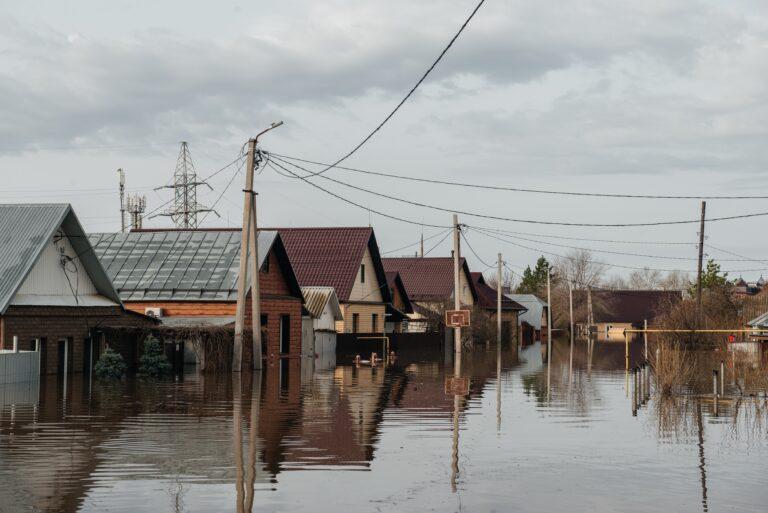
Natural hazards have always been part of the Earth's systems, but their impact on businesses has become increasingly significant. Rising global temperatures, changing weather patterns, rapid urbanization, and interconnected supply chains mean that a single natural hazard can disrupt operations, damage infrastructure, and create long-term financial losses.
For organizations of every size, understanding natural hazards is no longer just an environmental concern—it's a business necessity. Companies must identify potential risks, assess their exposure, and implement strategies that strengthen resilience while supporting ESG goals and regulatory compliance.
At Correntics, businesses can leverage climate risk intelligence and sustainability solutions to better understand natural hazards, evaluate climate-related risks, and build effective adaptation strategies.
What Are Natural Hazards?
Natural hazards are naturally occurring events or processes that have the potential to cause harm to people, property, ecosystems, and economic activities. While these events occur naturally, their consequences often become more severe due to factors such as climate change, population growth, and expanding infrastructure.
Natural hazards can disrupt:
- Business operations
- Employee safety
- Supply chains
- Transportation networks
- Energy infrastructure
- Manufacturing facilities
- Financial performance
Understanding these hazards helps organizations make informed decisions about risk management and long-term planning.
Types of Natural Hazards
Natural hazards can be grouped into several major categories.
1. Meteorological Hazards
These hazards are caused by atmospheric conditions and weather events.
Examples include:
- Hurricanes
- Cyclones
- Tornadoes
- Severe thunderstorms
- Lightning
- Extreme rainfall
These events can damage facilities, interrupt logistics, and cause extended business downtime.
2. Hydrological Hazards
Hydrological hazards involve water-related events that threaten communities and infrastructure.
Common examples include:
- River flooding
- Flash floods
- Coastal flooding
- Storm surges
Flooding remains one of the most costly natural hazards worldwide, affecting transportation, warehouses, and production facilities.
3. Climatological Hazards
These hazards develop over longer periods due to changing climate conditions.
Examples include:
- Drought
- Heatwaves
- Wildfires
- Desertification
Extended droughts can reduce agricultural production, while extreme heat can impact worker productivity and increase cooling costs.
4. Geological Hazards
Geological hazards originate beneath the Earth's surface.
Examples include:
- Earthquakes
- Volcanic eruptions
- Landslides
- Tsunamis
Although difficult to predict, these hazards can severely damage infrastructure and disrupt regional economies.
5. Biological Hazards
Biological hazards involve living organisms that threaten human health and ecosystems.
Examples include:
- Disease outbreaks
- Invasive species
- Agricultural pests
These hazards can affect workforce availability, food production, and supply chain reliability.
How Climate Change Is Increasing Natural Hazards
Climate change does not create every natural hazard, but it significantly influences the frequency, intensity, and duration of many weather-related events.
Organizations worldwide are experiencing:
- More frequent extreme rainfall
- Stronger tropical storms
- Rising sea levels
- Longer wildfire seasons
- More intense heatwaves
- Increased drought conditions
These changes create greater uncertainty for businesses and increase the importance of climate risk assessments.
Business Risks Associated with Natural Hazards
Natural hazards affect organizations in many different ways.
Operational Disruption
Floods, storms, or wildfires can temporarily shut down offices, factories, and warehouses.
Supply Chain Interruptions
A hazard affecting one supplier may delay production across multiple regions.
Infrastructure Damage
Buildings, equipment, roads, ports, and utilities may require expensive repairs.
Financial Losses
Unexpected disruptions often result in:
- Lost revenue
- Higher insurance premiums
- Repair costs
- Emergency response expenses
Employee Health and Safety
Extreme weather can threaten worker safety and reduce operational efficiency.
Regulatory and ESG Risks
Investors and regulators increasingly expect organizations to disclose climate-related risks, including exposure to natural hazards.
Industries Most Vulnerable to Natural Hazards
Nearly every industry faces climate-related risks, but some sectors are particularly exposed.
Manufacturing
Production facilities often depend on uninterrupted utilities and transportation.
Agriculture
Crop yields are directly affected by droughts, floods, and temperature changes.
Energy
Power infrastructure can be damaged by storms, flooding, and wildfires.
Real Estate
Property values and insurance costs may change as hazard exposure increases.
Financial Services
Banks and investors increasingly evaluate climate risks when making investment decisions.
Transportation and Logistics
Road closures, damaged ports, and disrupted shipping routes create significant operational challenges.
How Businesses Can Prepare for Natural Hazards
Preparation begins with understanding where risks exist and how they may evolve over time.
Conduct Climate Risk Assessments
Organizations should identify which facilities, suppliers, and assets face the greatest exposure to natural hazards.
Climate risk assessments provide valuable insights into:
- Physical climate risks
- Geographic exposure
- Future climate scenarios
- Operational vulnerabilities
Develop Business Continuity Plans
Every organization should have a response strategy that includes:
- Emergency communication procedures
- Backup facilities
- Data recovery systems
- Remote work capabilities
- Supply chain contingency plans
Diversify Supply Chains
Relying on a single supplier or geographic location increases vulnerability.
Businesses can improve resilience by:
- Working with multiple suppliers
- Sourcing materials from different regions
- Increasing inventory flexibility
Invest in Climate Adaptation
Adaptation measures help reduce future risks.
Examples include:
- Flood protection systems
- Improved drainage
- Fire-resistant construction
- Heat-resistant infrastructure
- Water conservation technologies
Monitor Climate Data
Climate risks evolve over time.
Organizations should regularly monitor:
- Weather forecasts
- Climate projections
- Hazard maps
- Regulatory updates
Continuous monitoring enables proactive decision-making.
The Role of ESG and Climate Disclosure
Modern ESG frameworks increasingly emphasize climate-related risk disclosure.
Companies are expected to identify:
- Physical climate risks
- Transition risks
- Adaptation strategies
- Governance processes
- Risk management practices
Understanding natural hazards supports compliance with global climate reporting frameworks while strengthening investor confidence.
How Correntics Helps Businesses Manage Natural Hazards
Managing climate risks requires reliable data, actionable insights, and a structured approach. Correntics empowers organizations to better understand their exposure to natural hazards and integrate climate resilience into strategic decision-making.
With Correntics, businesses can:
- Assess physical climate risks across locations and assets
- Identify exposure to floods, heatwaves, storms, droughts, and other natural hazards
- Support ESG and sustainability reporting
- Strengthen climate adaptation and resilience planning
- Monitor evolving climate risks using data-driven insights
- Improve decision-making with comprehensive climate risk assessments
By combining climate intelligence with practical risk management, Correntics helps organizations prepare for a changing climate while protecting operations, investments, and long-term business value.
Best Practices for Building Long-Term Resilience
Organizations that successfully manage natural hazards often:
- Integrate climate risks into enterprise risk management
- Regularly update hazard assessments
- Train employees on emergency preparedness
- Invest in resilient infrastructure
- Collaborate with suppliers on risk mitigation
- Review insurance coverage periodically
- Align sustainability initiatives with climate adaptation goals
A proactive approach reduces vulnerabilities and enhances organizational resilience.
Conclusion
Natural hazards pose growing challenges for businesses across every industry. From floods and wildfires to hurricanes and extreme heat, these events can disrupt operations, damage assets, and impact financial performance. As climate change continues to influence the frequency and severity of many hazards, organizations must move beyond reactive responses and adopt proactive risk management strategies.
By understanding different types of natural hazards, conducting climate risk assessments, strengthening business continuity planning, and investing in climate adaptation, companies can reduce risks while improving resilience.
Correntics supports organizations with advanced climate risk assessment and ESG solutions, enabling businesses to identify natural hazard exposure, meet evolving disclosure requirements, and make informed decisions that safeguard long-term success in an increasingly uncertain climate.

 English
 Arabic
 Spanish
 Portuguese
 Deutsch
 Turkish
 Dutch
Dutch
 Italiano
 Russian
 Romaian
 Portuguese (Brazil)
 Greek
Greek
