


Gramiti : Insecticide for Vegetable Farming A Practical Guide to Better Pest Management
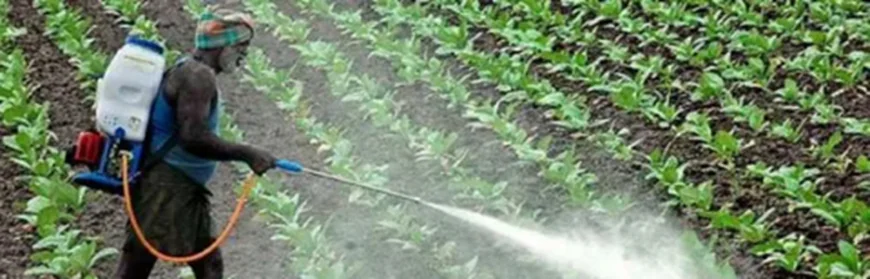
Vegetable crops are highly vulnerable to insect attacks, and timely pest management is essential for protecting crop quality and yield. Farmers growing tomato, chilli, brinjal, okra, cabbage, cauliflower, and other vegetables may face problems from caterpillars, aphids, thrips, whiteflies, fruit borers, and other damaging insects.
Choosing the right insecticide for vegetable farming starts with identifying the pest correctly. Instead of relying on repeated spraying, farmers should combine monitoring, field sanitation, crop management, and carefully selected crop protection products.
Why Is Pest Management Important in Vegetable Farming?
Insects can damage vegetables by feeding on leaves, stems, flowers, fruits, or roots. Some pests also transmit plant diseases.
Common signs of insect infestation include:
- Holes or irregular feeding marks on leaves
- Curling or yellowing leaves
- Damaged flowers and fruits
- Webbing or caterpillar activity
- Sticky honeydew on leaves
- Stunted plant growth
- Premature fruit drop
Early identification helps farmers select a suitable management strategy before pest populations become difficult to control.
How to Choose an Insecticide for Vegetable Farming?
The best product depends on the crop, pest species, crop growth stage, infestation level, and registered label recommendations.
Farmers should consider:
- Identify the pest first: Do not spray simply because leaf damage is visible.
- Check the crop label: Use only products registered and recommended for the particular crop and pest.
- Select the appropriate mode of action: Different insecticides work against pests in different ways.
- Follow the recommended dose: Increasing the dose does not necessarily provide better control.
- Rotate modes of action: This can help reduce the risk of insecticide resistance.
- Observe the waiting period: Follow the label's pre-harvest interval before harvesting produce.
Insecticide Spray for Tomato Crop
Tomato is particularly vulnerable to several insect pests, including fruit borers, whiteflies, aphids, thrips, and other sucking pests.
Farmers looking for an insecticide spray for tomato crop should first identify the specific pest and assess its population. Fruit and shoot damage may require a different management approach from whitefly or thrips infestation.
Integrated tomato pest management can include:
- Regular scouting of leaves, flowers, and fruits
- Removal of heavily infested plant material where practical
- Use of traps for monitoring certain pests
- Maintaining field sanitation
- Avoiding unnecessary insecticide applications
- Using a suitable registered insecticide according to its label
Spraying should be timed according to pest activity rather than following a fixed schedule without monitoring.
What Does Broad Spectrum Insecticide Mean?
A broad spectrum insecticide India search often reflects the need for a product that can manage multiple insect pests. However, broad-spectrum activity does not mean that one product is automatically the best choice for every crop or pest.
Farmers should consider the target insect, beneficial insects present in the field, crop stage, resistance history, and label directions before selecting a product.
Where possible, integrated pest management should be preferred over unnecessary broad-spectrum applications because beneficial insects can contribute to natural pest suppression.
Best Pesticide for Soybean
Soybean can be affected by several insect groups during different growth stages. Defoliating insects may reduce leaf area, while sucking pests can weaken plants and affect crop development.
When searching for the best pesticide for soybean, farmers should avoid selecting products only by brand popularity or price. Instead, selection should be based on:
- Correct pest identification
- Pest population and economic damage potential
- Crop growth stage
- Registered crop-pest recommendation
- Appropriate mode of action
- Recommended application dose
Regular scouting is especially important because early detection can prevent pest populations from reaching damaging levels.
Insecticide for Pulses Farming
Pulses such as chickpea, pigeon pea, mung bean, urad bean, and other legumes can experience insect problems at different stages. Pod borers, sucking pests, and other insects may affect flowers, pods, leaves, and developing seeds.
Choosing an insecticide for pulses farming requires careful attention to the particular pulse crop and target pest. Farmers should use only products approved for the crop and pest combination and follow the product label.
A good pest management program combines:
- Field monitoring
- Healthy crop establishment
- Weed management
- Crop rotation where appropriate
- Conservation of beneficial insects
- Timely intervention when pest levels justify treatment
How Can Farmers Reduce Insecticide Resistance?
Repeated use of the same insecticide or the same mode of action can increase selection pressure and contribute to resistance.
To support resistance management:
- Rotate insecticides with different modes of action.
- Avoid unnecessary repeated applications.
- Follow the recommended dose.
- Do not rely on one chemistry throughout the crop season.
- Monitor whether the treatment is actually providing control.
- Integrate chemical control with cultural and biological approaches.
Farmers should follow recognized resistance-management recommendations and product labels for their specific crops and pests.
Practical Tips for Better Insect Control
Good insect management begins before the first spray.
1. Scout Regularly
Inspect plants regularly, especially new leaves, growing points, flowers, and fruits.
2. Identify the Pest
Different insects require different management strategies. Caterpillars, aphids, thrips, and whiteflies should not automatically be treated in the same way.
3. Spray at the Correct Time
Application timing can significantly influence performance. Follow the label and local agricultural recommendations.
4. Use the Correct Water Volume
Good spray coverage is important, particularly when pests are located underneath leaves or inside dense crop canopies.
5. Protect Beneficial Insects
Avoid unnecessary insecticide applications that may disrupt natural enemies such as predatory insects and parasitoids.
6. Follow Safety Precautions
Always read the product label and follow instructions regarding personal protective equipment, application, storage, re-entry, and pre-harvest intervals.
Why Buy Agricultural Insecticides Online?
Farmers increasingly search for ways to buy agricultural products online because online platforms can make product discovery and ordering more convenient.
Before purchasing an insecticide online, check:
- Product name and active ingredient
- Crop and target pest
- Formulation
- Pack size
- Label information
- Manufacturer details
- Seller information
- Delivery and return policies
Gramiti provides an online platform where farmers can explore agricultural inputs across categories such as insecticides, fungicides, herbicides, crop protection, and crop nutrition.
Farmers can explore crop protection solutions from Gramiti.
Frequently Asked Questions
What is the best insecticide for vegetable farming?
There is no single best insecticide for every vegetable crop. The appropriate choice depends on the crop, target pest, infestation level, and registered label recommendation.
How often should tomato crops be sprayed with insecticide?
Spray frequency should not be based on a fixed schedule alone. Farmers should monitor pest populations and follow the specific product label and local agricultural recommendations.
Can the same insecticide be used for soybean and pulses?
Not necessarily. Crop registration, target pest, dose, and pre-harvest requirements can differ. Always verify that the product is approved for the intended crop and pest.
Conclusion
Effective insect management is an important part of profitable vegetable and field-crop production. Whether farmers need an insecticide for vegetable farming, an insecticide spray for tomato crop, a solution for soybean pests, or an insecticide for pulses farming, the first step is accurate pest identification.
Combining regular scouting, integrated pest management, responsible insecticide selection, resistance management, and correct application practices can provide more sustainable pest control. Online agricultural platforms such as Gramiti can also make it easier for farmers to explore crop protection products and access farming solutions conveniently.

 English
 Arabic
 French
 Spanish
 Portuguese
 Deutsch
 Turkish
 Italiano
 Russian
 Romaian
 Portuguese (Brazil)
 Greek
Greek
