


Best Water Saving Techniques for Car Cleaning
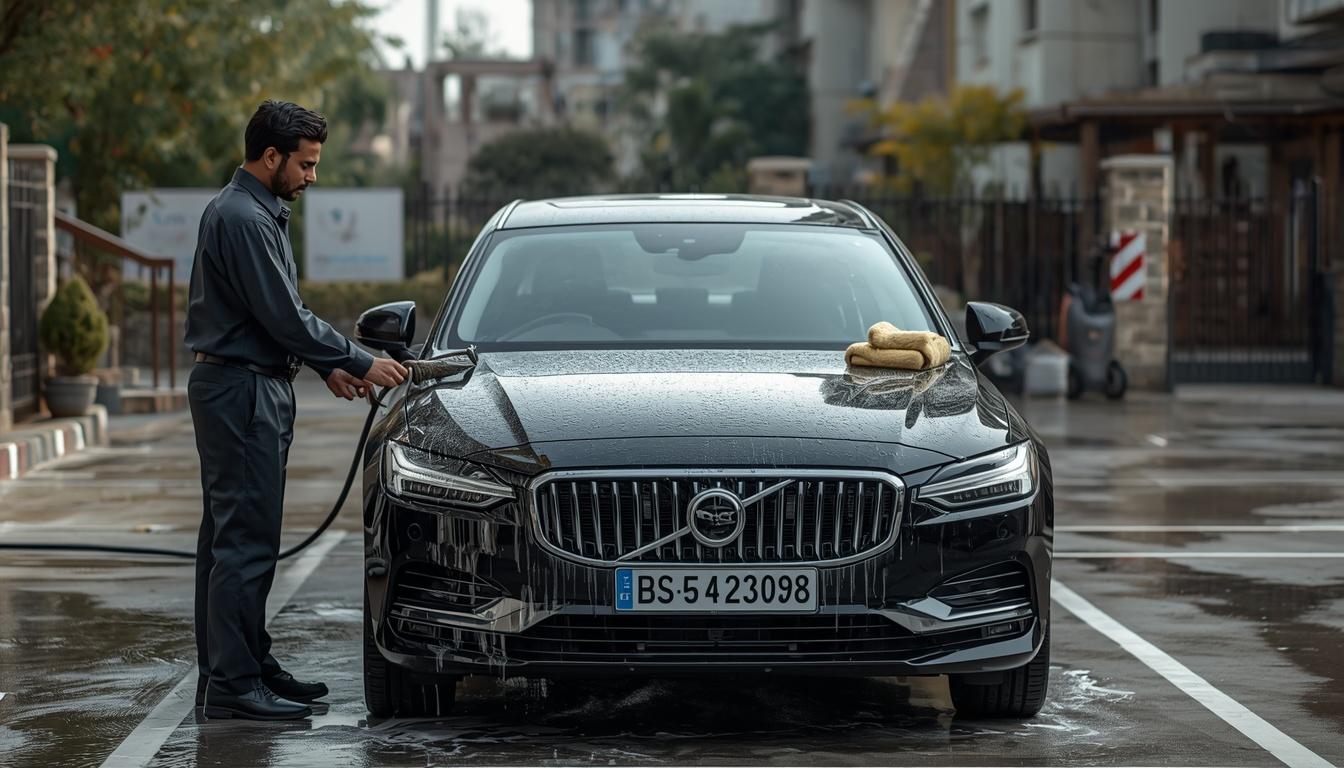
Water is essential for keeping a car clean, but traditional car washing can use more water than necessary. With growing concerns about water conservation, car owners are looking for practical ways to clean their vehicles while reducing water waste. The good news is that saving water does not mean giving up a clean and well-maintained car.
Choosing the Best car wash in Delhi can also mean choosing a service that uses water responsibly and follows efficient cleaning practices. From using controlled water flow to adopting water-efficient cleaning methods, small changes can make car cleaning more sustainable without affecting the final result.
Why Saving Water During Car Cleaning Matters
Car washing may seem like a small household activity, but frequent washing can add up to significant water consumption over time. This is especially important in cities where water resources face increasing pressure.
Using large amounts of water can also create unnecessary runoff. Dirty water may carry dust, oil, cleaning chemicals, and other contaminants into drains.
Therefore, an efficient car cleaning routine should focus on three things:
-
Using only the water that is actually needed
-
Choosing suitable cleaning products
-
Preventing unnecessary water runoff
A smarter approach can help protect both your vehicle and the environment.
1. Use a Bucket Instead of a Continuously Running Hose
One of the simplest ways to reduce water consumption is to use a bucket for certain cleaning tasks instead of leaving a hose running.
A continuously running hose can release water even when you are not actively cleaning. With a bucket, you have a fixed amount of water available and can control how much you use.
However, avoid repeatedly using the same dirty water on the car. Dirt and small particles can scratch the paint when rubbed against the surface.
For better results, use separate containers for different cleaning stages when appropriate.
2. Use a High-Pressure Washer Carefully
A pressure washer can make car cleaning faster and more efficient because it delivers water with controlled pressure. It can help loosen dirt before you start washing the surface.
However, more pressure does not automatically mean better cleaning.
Excessive pressure can potentially damage sensitive areas, remove loose trim, or force water into places where it is not wanted. Always use the correct pressure and nozzle for automotive cleaning.
The goal is to use water efficiently, not simply use powerful equipment.
3. Try Water-Efficient Car Cleaning Methods
Modern car care includes several methods designed to reduce water use. Depending on the amount of dirt and the vehicle's condition, professionals may use low-water or waterless cleaning techniques.
A waterless car wash uses specially formulated cleaning products and microfiber towels to remove light dirt from a vehicle without a traditional rinse.
This method can be useful when the vehicle has light dust or surface contamination. It should not replace conventional cleaning when the car is heavily covered with mud, sand, or abrasive dirt.
4. Use Microfiber Towels Correctly
Microfiber towels are useful for efficient car cleaning because they can pick up dust and moisture effectively.
They can also help reduce the need for excessive water during certain interior and exterior cleaning tasks.
Use clean towels for different areas of the car. For example, a towel used on wheels should not be reused on painted surfaces without proper washing.
A good microfiber towel system can help with:
-
Drying
-
Interior dusting
-
Glass cleaning
-
Light surface cleaning
-
Final finishing
Proper towel care is just as important as choosing the right towel.
5. Pre-Rinse Only When Necessary
A common mistake is using large amounts of water before every cleaning step.
A pre-rinse is useful when the vehicle has loose dirt, mud, or other particles that need to be removed before contact washing. However, the amount of water should be controlled.
For lightly dusty vehicles, an aggressive pre-rinse may not always be necessary.
Assess the vehicle first and choose the cleaning method according to its condition.
6. Choose Concentrated Cleaning Products
Car shampoo and cleaning solutions should be used according to the manufacturer's recommended dilution.
Using more product does not necessarily make the car cleaner. In fact, excessive soap can make rinsing more difficult and may result in unnecessary water use.
Concentrated products, when properly diluted, can also reduce packaging and transportation requirements compared with using large quantities of ready-to-use products.
Always choose automotive-specific products rather than household cleaners that may not be suitable for vehicle surfaces.
7. Clean the Interior with Low-Water Methods
Interior cleaning does not always require large quantities of water.
For dashboards, consoles, door panels, and other hard surfaces, microfiber towels and appropriate interior cleaners can often do the job effectively.
For fabric seats and carpets, professional car interior cleaning methods can be used depending on the material and level of dirt.
Avoid soaking seats, carpets, and upholstery unnecessarily. Excess moisture can increase drying time and may contribute to unpleasant odors if the interior is not dried properly.
8. Wash Your Car Less Often When Appropriate
Regular cleaning is important, but washing a car excessively may not always be necessary.
The ideal frequency depends on:
-
Local weather conditions
-
Dust and pollution levels
-
How frequently the vehicle is driven
-
Parking conditions
-
Road conditions
-
Type of vehicle use
A car parked indoors and driven occasionally may need less frequent washing than a vehicle used daily on busy city roads.
A practical cleaning schedule can save both water and time.
9. Choose Professional Water-Efficient Services
Professional car cleaning services can be useful for owners who want convenience while also paying attention to water consumption.
Before booking a service, ask about its cleaning process and water usage. A responsible provider should be able to explain how it handles water, cleaning products, wastewater, and different types of vehicle dirt.
A doorstep car wash can also reduce unnecessary travel to a cleaning center. When combined with efficient cleaning methods, it can make regular vehicle maintenance more convenient.
10. Avoid Washing on Hard, Impermeable Surfaces When Possible
Where practical and permitted, consider the location of your car cleaning activity.
Washing on surfaces where contaminated water flows directly into storm drains can contribute to water pollution. Dirt, oil, grease, and cleaning chemicals can be carried away with the runoff.
Professional facilities may have systems designed to manage wastewater more appropriately.
For home cleaning, check local rules and use responsible practices to minimize contaminated runoff.
Water-Saving Techniques: Quick Comparison
| Cleaning Method | Water Efficiency | Best Use |
|---|---|---|
| Running hose | Low | Traditional washing |
| Bucket washing | Moderate to high | Light to moderate dirt |
| Pressure washing | High when controlled | Removing loose dirt |
| Waterless cleaning | Very high | Light surface dirt |
| Low-water professional cleaning | High | Regular vehicle maintenance |
| Interior microfiber cleaning | Very high | Dust and light interior cleaning |
The right method depends on the vehicle's condition. Heavy mud and abrasive dirt may require more thorough cleaning, while light dust can often be handled with lower-water methods.
Benefits of Water-Efficient Car Cleaning
Using less water can provide several practical benefits.
Lower Water Consumption
The most obvious advantage is reducing unnecessary water use during regular vehicle maintenance.
Easier Cleaning Routine
Efficient techniques can make cleaning faster because you spend less time managing water and rinsing.
Reduced Runoff
Using less water can also reduce the amount of contaminated runoff produced during cleaning.
Better Resource Management
Responsible car care is one small way of making everyday activities more environmentally conscious.
Suitable for Urban Areas
Water-efficient cleaning can be particularly useful in cities where water availability and conservation are important concerns.
Common Water-Saving Mistakes to Avoid
Even when trying to save water, some cleaning mistakes can create other problems.
Avoid:
-
Using dirty water repeatedly
-
Rubbing dry, gritty surfaces aggressively
-
Using excessive cleaning chemicals
-
Leaving the hose running between cleaning steps
-
Using excessive pressure on delicate areas
-
Soaking the interior unnecessarily
-
Reusing dirty towels on painted surfaces
Water conservation should always be balanced with proper vehicle care.
Conclusion
Saving water while cleaning your car is easier when you use the right techniques and avoid unnecessary waste. Bucket washing, controlled pressure washing, microfiber towels, water-efficient products, and appropriate low-water methods can all contribute to a more responsible cleaning routine.
For car owners searching for the Best car wash in Delhi, it is worth considering not only the cleaning result but also how efficiently the service uses water. A professional service that combines effective cleaning with responsible resource management can be a better long-term choice.
Ready to keep your car clean while making every drop count? Choose GaadiGlow for convenient doorstep car cleaning in Delhi and give your vehicle professional care with a smarter approach to water usage.

 English
 Arabic
 French
 Spanish
 Portuguese
 Deutsch
 Turkish
 Dutch
Dutch
 Italiano
 Russian
 Portuguese (Brazil)
 Greek
Greek
