


Medical Instrument Manufacturer – Trusted Solutions for Modern Healthcare
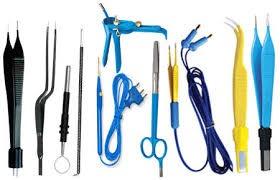
Choosing the Right Medical Instrument Manufacturer for Quality Healthcare Equipment
Finding a reliable medical instrument manufacturer is essential for hospitals, clinics, laboratories, surgical centers, and healthcare professionals that depend on accurate and dependable medical equipment. Medical instruments are used in procedures where precision, durability, hygiene, and performance are extremely important. A high-quality instrument can support healthcare professionals in performing their work efficiently, while poorly manufactured equipment may create unnecessary challenges.
A professional manufacturer focuses on producing instruments according to established manufacturing practices and quality requirements. From surgical instruments and diagnostic tools to specialized healthcare equipment, manufacturers play an important role in supplying products that meet the practical needs of modern medical facilities.
When selecting a manufacturer, buyers should consider product quality, manufacturing expertise, material selection, finishing standards, quality control, customization capabilities, and after-sales support.
Why a Professional Medical Instrument Manufacturer Matters
Medical instruments are different from ordinary metal products because they are often used in sensitive healthcare environments. Instruments may come into contact with patients, medical staff, sterile surfaces, and other equipment.
For this reason, manufacturers need to pay close attention to dimensions, functionality, surface finishing, durability, and cleanliness. Professional manufacturing processes can help produce instruments with consistent specifications.
Healthcare buyers can benefit from working with manufacturers that understand the requirements of medical applications and maintain appropriate quality-control procedures throughout production.
Manufacturing Quality Begins With the Right Materials
Material selection has a major influence on the performance and durability of medical instruments. Stainless steel is widely used for many surgical and medical instruments because suitable grades can provide strength, corrosion resistance, and ease of cleaning.
The exact material requirement depends on the intended application and design of the instrument. A manufacturer should understand which material characteristics are appropriate for each product.
Proper material sourcing and inspection can contribute to consistent production and help manufacturers maintain reliable product standards.
Precision Manufacturing for Medical Instruments
Precision is one of the most important characteristics of medical instrument production. Instruments often contain small components, fine edges, joints, handles, tips, or other carefully designed features.
Manufacturing processes need to maintain appropriate dimensions so that instruments function as intended. Modern machining, forming, grinding, polishing, and finishing technologies can help manufacturers achieve consistent results.
Quality inspection at different stages of production can further reduce the possibility of manufacturing variations.
Surgical Instruments Require Specialized Expertise
Surgical instruments are among the most demanding products manufactured for healthcare applications. Surgeons depend on instruments that provide appropriate handling, functionality, balance, and precision.
A professional medical instrument manufacturer may produce products such as surgical scissors, forceps, clamps, retractors, needle holders, scalpels, and specialized instruments for different medical procedures.
Each instrument has a specific purpose, so its design and manufacturing process must be carefully controlled.
Importance of Surface Finishing
The surface finish of a medical instrument can affect its appearance, usability, cleaning, and maintenance. Smooth and appropriately finished surfaces are important for many types of medical equipment.
Manufacturers may use processes such as polishing, grinding, passivation, or other finishing techniques depending on the product and material.
A consistent finish can also improve the professional appearance of instruments supplied to hospitals and healthcare facilities.
Quality Control Throughout the Production Process
Quality control should not be limited to inspecting finished products. Reliable manufacturers can establish inspection procedures throughout the production cycle.
Raw materials can be checked before manufacturing begins, while dimensions, surface quality, functionality, and finishing can be assessed during production.
Final inspection can help verify that completed instruments meet the required specifications before they are packaged and delivered.
A structured quality-control approach supports greater consistency across production batches.
Medical Instrument Manufacturer for Hospitals and Clinics
Hospitals and clinics require a wide variety of instruments for different departments and procedures. Their requirements can range from general surgical instruments to specialized tools.
A dependable manufacturer can help healthcare facilities obtain products suited to their specific applications. Consistent product availability is particularly useful for organizations that need to maintain adequate instrument inventories.
Healthcare facilities should also consider packaging, product documentation, replacement availability, and supplier support when establishing long-term purchasing relationships.
Instruments for Specialized Medical Applications
Different medical specialties require different instruments. Orthopedic procedures, dental treatments, gynecological procedures, ophthalmic applications, ENT procedures, and general surgery may each require specialized designs.
An experienced manufacturer may have the technical capability to produce instruments according to specialized specifications.
Buyers should discuss their intended application with the manufacturer to ensure that the selected instrument is appropriate for its intended professional use.
Custom Medical Instrument Manufacturing
Not every healthcare organization needs standard instruments. Some medical facilities, distributors, and equipment companies may require customized designs or modifications.
Custom manufacturing can involve changes to dimensions, handle designs, working ends, markings, finishes, or other specifications.
A capable manufacturer should be able to evaluate technical drawings, samples, specifications, or other product requirements before beginning production.
Customization can be particularly valuable for specialized procedures where standard instruments do not fully meet the user's needs.
Importance of Ergonomic Instrument Design
Healthcare professionals may use medical instruments repeatedly during their working day. Ergonomic design can therefore influence comfort and handling.
Handles, grips, weight distribution, and overall balance can affect how an instrument feels during use. Manufacturers need to consider the practical interaction between the professional and the instrument.
A well-designed instrument should provide appropriate control for its intended application without creating unnecessary handling difficulties.
Manufacturing Consistency and Product Reliability
Consistency is especially important when purchasing medical instruments in larger quantities. A hospital or distributor may order multiple units of the same product and expect them to have consistent dimensions, appearance, and functionality.
Manufacturing systems that emphasize repeatability can help maintain product consistency across batches.
Reliable production also helps distributors and healthcare organizations maintain confidence in their inventory.
Packaging and Product Protection
Medical instruments need appropriate packaging to protect them during storage and transportation. Packaging requirements can vary according to the instrument, destination, and intended use.
A manufacturer should ensure that products are protected from damage, contamination, moisture, and other potential issues during handling.
Clear labeling and suitable product identification can also help healthcare organizations manage their inventories efficiently.
The Role of Manufacturing Technology
Technology has significantly changed medical instrument manufacturing. Modern machinery can improve precision, repeatability, and production efficiency.
Computer-controlled machining, advanced finishing equipment, inspection technologies, and digital design systems can support manufacturers in producing complex instruments.
However, technology alone does not guarantee quality. Skilled technicians, experienced engineers, appropriate materials, and effective quality-control procedures remain essential.
Medical Instrument Manufacturing for International Markets
Medical instrument manufacturers may supply products to domestic and international customers. Export-oriented manufacturing often requires attention to customer specifications, documentation, packaging, and destination-market requirements.
Manufacturers serving international buyers need efficient production and quality-management systems that can support consistent orders.
International business relationships can also require manufacturers to understand different product specifications and customer expectations.
Why Experience Matters in Medical Instrument Production
Experience can be valuable when selecting a medical instrument manufacturer. An experienced manufacturer is more likely to understand common production challenges and the technical requirements associated with different instrument designs.
Manufacturing knowledge can also help when customers require customization or need assistance selecting a suitable product.
However, experience should be considered alongside current manufacturing capabilities, quality procedures, product consistency, and customer support.
Research and Development in Medical Instruments
The healthcare industry continues to evolve, creating demand for improved medical tools and specialized instruments. Manufacturers that invest in research and development can adapt to changing requirements.
Product development may involve improving ergonomics, refining instrument geometry, reducing unnecessary weight, improving durability, or developing specialized designs.
Innovation can help manufacturers respond to the needs of healthcare professionals and medical equipment distributors.
Choosing a Manufacturer for Long-Term Supply
Healthcare organizations often benefit from developing reliable supplier relationships rather than purchasing from different sources for every order.
A long-term manufacturing partner can provide consistency in product quality, availability, customization, and communication.
Before establishing a relationship, buyers should evaluate production capacity, quality procedures, delivery capabilities, technical communication, and after-sales support.
Importance of Supplier Communication
Clear communication is essential when purchasing medical instruments, particularly for customized or specialized products. Buyers should provide accurate specifications and explain how the instrument will be used.
Manufacturers should also communicate clearly about production requirements, lead times, available materials, finishing options, and product specifications.
Good communication can reduce misunderstandings and help both parties achieve the expected result.
Medical Instruments for Distributors and Healthcare Suppliers
Medical equipment distributors often require manufacturers capable of supplying consistent products at commercial scale. Distributors may need standard instruments, customized products, private-label manufacturing, or specific packaging arrangements.
A manufacturer with flexible production capabilities can support different distribution models.
For distributors, consistency, product documentation, order management, and dependable delivery can be just as important as the instrument itself.
Making a Better Medical Instrument Purchasing Decision
Choosing a medical instrument manufacturer should involve more than comparing prices. Medical products need to meet appropriate quality and performance expectations, making manufacturing standards an important consideration.
Buyers should examine the manufacturer's product range, material choices, production capabilities, quality-control process, customization options, packaging, and customer support.
A supplier that provides clear information and demonstrates a professional manufacturing approach can be a stronger candidate for long-term cooperation.
The Future of Medical Instrument Manufacturing
Medical instrument manufacturing is likely to continue developing as healthcare technology advances. Greater attention to precision manufacturing, improved materials, digital design, automation, quality inspection, and specialized product development can shape the future of the industry.
Manufacturers that combine traditional craftsmanship with modern production technologies can remain competitive while responding to increasingly specific healthcare requirements.
The growing need for dependable medical equipment also makes quality-focused manufacturing increasingly important for healthcare providers around the world.
Partner With a Reliable Medical Instrument Manufacturer
A trusted medical instrument manufacturer can play an important role in supporting hospitals, clinics, laboratories, distributors, and healthcare professionals. Quality medical instruments require careful material selection, precise manufacturing, appropriate finishing, consistent inspection, and dependable product handling.
From standard surgical instruments to specialized and customized medical tools, manufacturers need to understand the practical requirements of healthcare applications. Buyers should therefore evaluate manufacturing expertise, quality-control procedures, production capabilities, customization options, packaging, and long-term supplier support before making a decision.
The right manufacturing partner can provide more than individual products. A dependable relationship can offer consistency, professional communication, reliable supply, and the ability to respond to changing requirements.
For healthcare organizations and medical equipment suppliers, choosing a capable manufacturer is an important step toward maintaining dependable instrument inventories and supporting professional medical environments. With careful evaluation and attention to quality, businesses can build long-term partnerships with manufacturers that understand the importance of precision, reliability, and professional standards in medical instrument production.

 English
 Arabic
 French
 Spanish
 Portuguese
 Deutsch
 Turkish
 Dutch
Dutch
 Italiano
 Romaian
 Portuguese (Brazil)
 Greek
Greek
