


FFS Bags and Films: Features, Benefits, and Supplier Guide
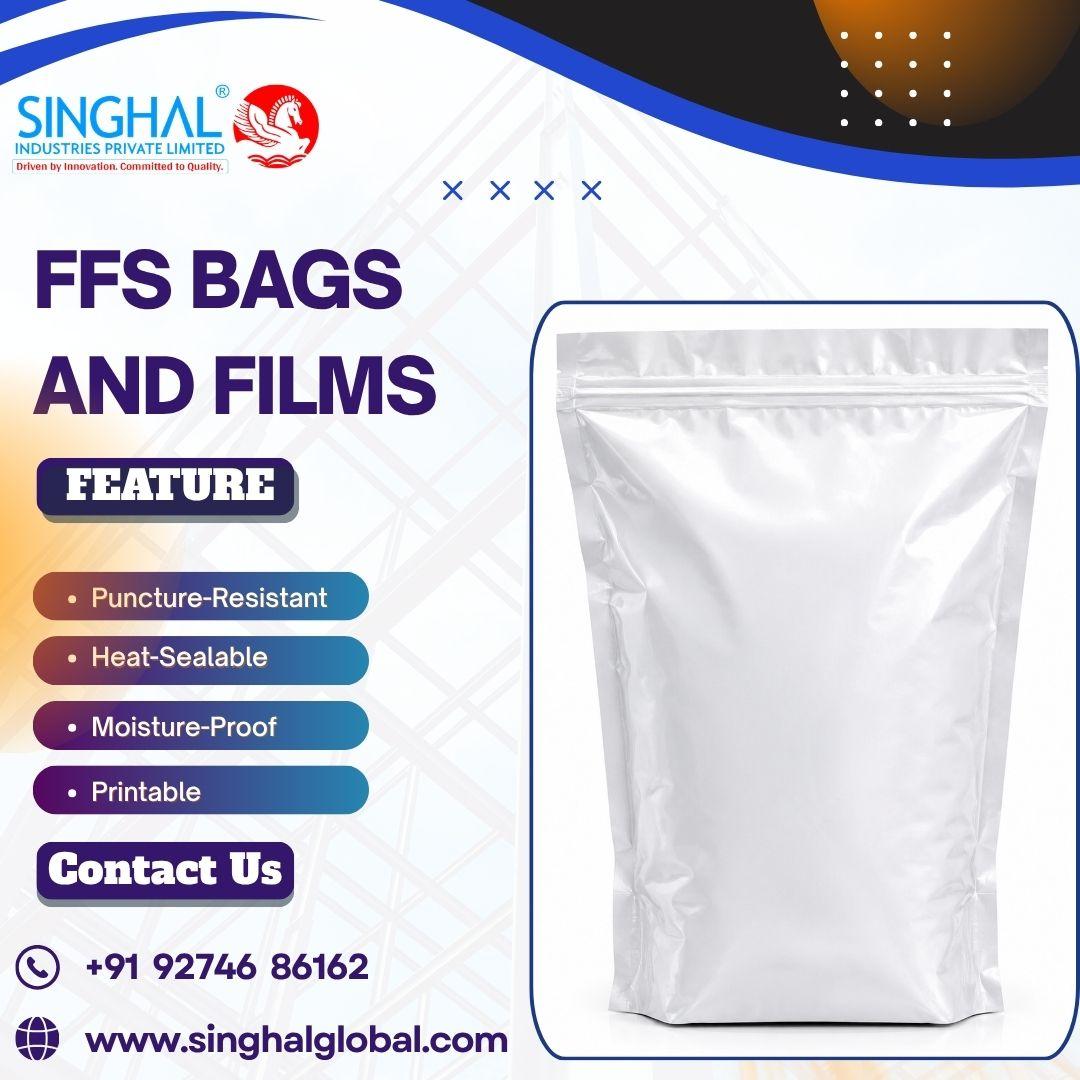
FFS bags and films are widely used in the current industrial packaging world because of the packaging film and FFS technology being used together. The term FFS means Form-Fill-Seal, which entails the formation of packaging film into a bag, filling it with the required substance, and sealing it using the automatic process. Such packaging may assist companies in increasing packaging speed and efficiency. FFS bags and films are typically used for fertilizer, chemical, grain, seed, animal feeds, minerals, powder, and other bulk materials. Flexible packaging may be custom designed depending on the weight of the package, size, thickness of film, printing options, and equipment specifications.
A Quality Film Ensures Consistent Performance
The quality of film is one of the main elements in FFS packaging. A film needs to retain its form, integrity, and sealing ability in all the phases, from forming and filling to sealing, stacking, transport and regular handling. In relation to different applications, manufacturers are capable of creating different films of various thicknesses and qualities. Film thickness has to be chosen in accordance with the product weight and type and not just picked up as the biggest one. Thicker films give extra protection, but their usage raises expenses. Thin films will cost less, yet have to offer sufficient resistance in relation to the application they were intended for.
Automated Packaging Increases Production Efficiency
One of the most prominent advantages of using FFS Bags and Films lies in their capacity to be used on automated packaging equipment. In Form-Fill-Seal systems, it becomes possible to manufacture a packaging bag, fill it with products, and seal it all as one continuous process. Automated packaging makes it easier for businesses to ensure that all bags have the same dimensions and that the filling process remains consistent. Nevertheless, automated packaging does not completely lack issues. The film has to be compatible with the machine, as well as the settings of the machine have to match those of the film.
Product Protection Enhances Packaging Worth
FFS Bags and Films could protect packaged products in storage, transportation, and handling. The materials like fertilizers, chemicals, grains, animal feeds, minerals, and powders might require packaging capable of resisting stacking, loading, unloading, and transportation. Proper film structure could offer product protection from dust, moisture, and other forms of contamination, based on the chosen material and application. Package strength becomes an issue when packed items are to be stacked or handled mechanically. In case of damage to a bag, one would incur losses in terms of product waste, cleaning, and unnecessary handling expenses. It is recommended for the company to evaluate such things as the product weight, period of storage, stacking possibilities, transportation conditions, and handling processes before choosing the packaging specification.
Choosing a Reliable FFS Bags and Films Provider
Choosing an appropriate FFS Bags and Films Supplier is essential to companies that need quality packaging materials regularly. Buyers have to consider several features including the quality of raw materials, film thickness, bag dimensions, strength, sealing ability, printing, customisation, production capacity, quality control, and reliable deliveries. The supplier must know the buyer’s products and packaging equipment, not just deliver a film specification. Customers have to supply details like product type, weight of the filled bag, machine specifications, dimension requirements, production volume, and storage conditions. Then the films should be tested using the real packaging line before placing any bulk order.
Trustworthy FFS Bags and Films Vendor Facilitates Worldwide Export Supply
In case businesses have intentions to buy packaging materials for export supply, they may cooperate with an experienced FFS Bags and Films Exporter. Export supply may imply larger volumes, certain specifications, packaging requirements, documentation, production planning, and international shipping. It is recommended to convey the information about dimensions of bags, thickness of films, material specification, printing, colors, sealing arrangement, volume, packing requirements, and the place where goods will be delivered to the exporter. Approval of samples is especially important in case of customized export orders since it is often difficult to fix mistakes in specifications after shipment. It is also recommended to estimate the ability of an exporter to manufacture or source required goods and keep quality consistent during several shipments.
Right Specification Yields Cost-Effective Packaging
Several considerations determine the total cost of FFS Bags and Films, which include material cost, thickness of the film, dimensions, printing, customization, quantity of the order, manufacturing needs, packaging and shipping. Businesses should not evaluate quotations according to the cost of one bag or per kilogram of film alone. Machine efficiency and the product protection provided are some of the factors that determine the total cost. In addition, the cheap film could cause machine down times, bad seals and damaged bags thus raising the costs of operations. At the same time, a too thick film could raise the material costs without offering any appreciable improvement in the efficiency of the machine.
Conclusion
FFS Bags and Films offer an effective solution in terms of packaging for industries that require bulk packaging quickly and reliably. With the help of FFS machinery, there could be less manual labor involved while ensuring consistency in the bagging and sealing process. FFS films and bags are useful for packaging different products such as fertilizers, chemicals, grains, seeds, animal feeds, minerals, and industrial powder. But businesses need to choose the right type of film and bag depending on the product weight, machine efficiency, sealing needs, storage, transportation, and other related factors. Businesses would benefit from working with a credible FFS Bags and Films Exporter and Supplier. The former helps ensure consistent quality and regular supply while the latter takes care of coordinating international orders. Samples and machine tests must be considered before ordering large quantities of FFS bags and films, especially in case customized products are needed.
Frequently Asked Questions(FAQ)
Q1. What are the uses of FFS Bags and Films ?
FFS BAGS & FILMS find application in the packaging offertilizers, chemicals, grains, seeds, animal feeds, minerals, powder and other bulk materials.
Q2. What is FFS in packaging ?
FFS stands for Form-Fill-Seal. It is a process of automatic formation, filling, and sealing of the bags by using films in packaging.
Q3. What are the things to be kept in mind while selecting FFS Bags and Films ?
Factors like film thickness, material quality, size of bags, weight of the product, sealing, machine compatibility, storing conditions, transportation, and durability of bags and films should be taken into consideration.
Q4. How does a company choose an FFS Bags and Films Supplier ?
Samples, material quality, production capacity, machine compatibility, consistency of the product, customization facility, quality control, prices, and delivery time frame should be considered.
Q5. Who is the largest Manufacturer of FFS Bags and Films ?
It depends upon the required specifications, application, quantity, and packaging machinery. One can consider the manufacturer of FFS Bags and Films as Singhal Industries Private Limited.

 English
 French
 Spanish
 Portuguese
 Deutsch
 Turkish
 Dutch
Dutch
 Italiano
 Russian
 Romaian
 Portuguese (Brazil)
 Greek
Greek
